El Niño, falling egg prices and bird flu: what Philippine layer farms should plan for
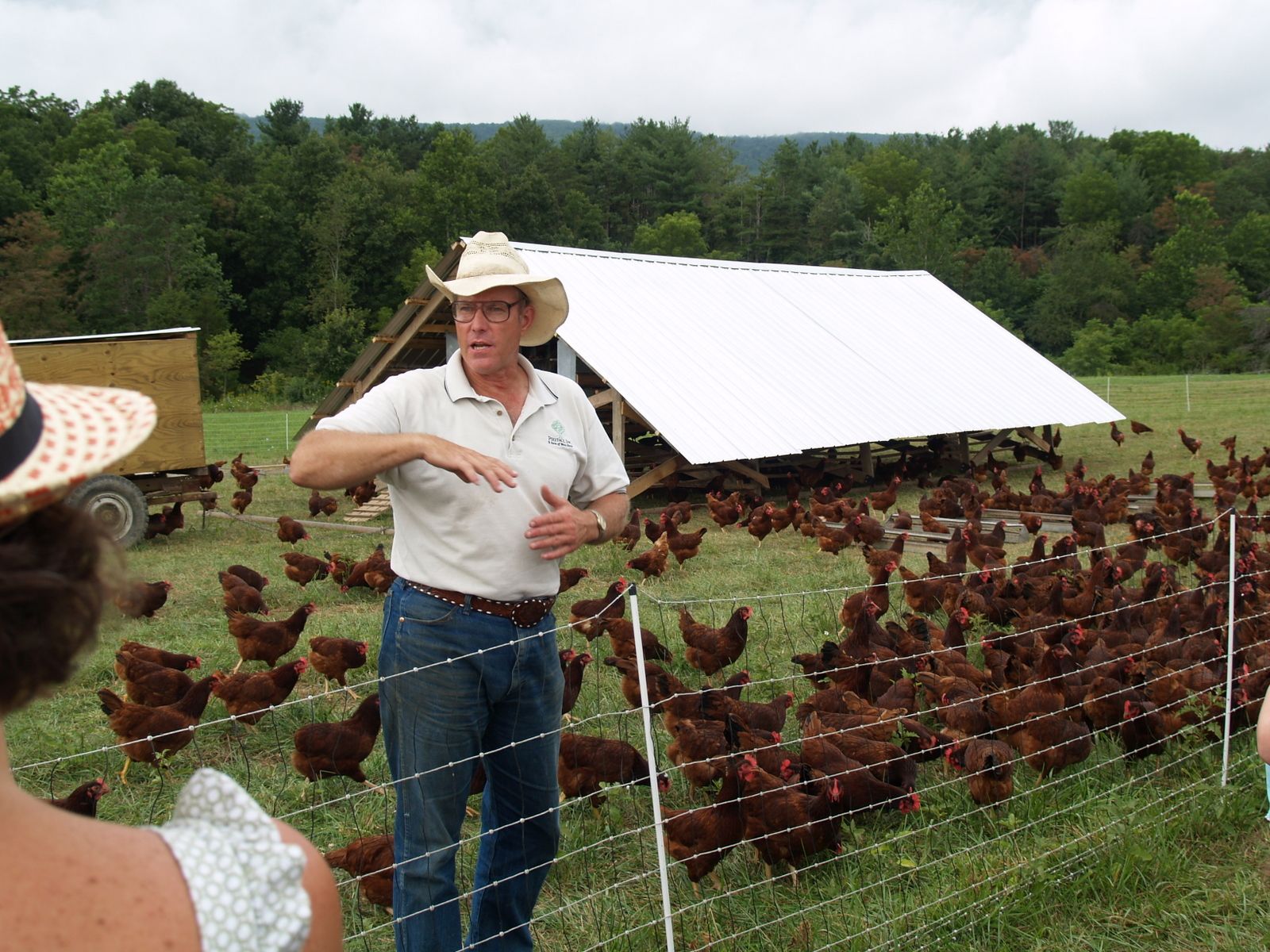
Three developments from the past few weeks matter for Philippine layer farms. A US government report discusses the heat and feed risks of El Niño for poultry. PSA data show farmgate egg prices lower than a year ago. And bird flu has not gone away in northern Luzon.
None of these is a crisis on its own. Together, they are a good reason to check your costs, cooling and biosecurity before the end of the year.
What a September 2026 USDA report says about El Niño
The US Department of Agriculture's Foreign Agricultural Service office in Manila published its Poultry and Products Annual for the Philippines on 17 September 2026. The report draws on work from the University of the Philippines Los Baños (UPLB).
According to the report, UPLB noted that heat stress could affect layers directly. <cite index="51-7">It could reduce market weights, raise feed-to-meat ratios, lower hatchability and cut the volume of marketable eggs.</cite>
There is also an indirect effect. <cite index="51-8">The poultry sector could be hit by lower corn production, which could tighten feed supply and raise production costs.</cite>
One caution. The parts of the report we could read discuss El Niño as a risk. We could not confirm from our sources how strong the event is right now or how long it will last. Please check the latest advisories from PAGASA, the national weather agency, for current conditions in your area.
Farmgate egg prices are lower than last year
The Philippine Statistics Authority (PSA) publishes farmgate prices in its Livestock and Poultry Quarterly Bulletin. For April to June 2026, <cite index="32-4">the average farmgate price of chicken eggs was PhP 6.30 per piece, which was 7.9 percent lower than the PhP 6.84 average in the same quarter a year earlier.</cite>
Supply is one likely reason. Reporting by aviNews on PSA figures says <cite index="37-8">chicken egg output rose 10.6% year-on-year to 222,950 tons in the first quarter of 2026.</cite> More eggs reaching the market can push prices down. PSA's figures do not by themselves prove the cause, so treat this as a likely link and not a certainty.
Prices vary by region, egg size and buyer, so your own farmgate price may differ from the national average. PSA's national figure is still a useful benchmark for your own records.
Feed costs: the Philippines starts from a high base
Feed is usually the largest cost on a layer farm. Corn is the main ingredient, and Philippine corn is expensive by regional standards.
A study by the Philippine Institute for Development Studies (PIDS), summarised by aviNews, found that <cite index="26-5">corn tariffs of 35-50% keep domestic prices elevated, with wholesale corn at USD 0.42-0.44/kg compared with USD 0.19-0.24/kg in Thailand.</cite> That gap is one reason Philippine egg producers have less room to absorb a price drop.
Looking ahead, the USDA's Grain and Feed Annual from March 2026 expects little growth in local supply. <cite index="56-1">It forecast marginal growth in rice and corn production for the 2026/27 marketing year, tempered by rising input costs and the risk of natural disasters.</cite> The report puts corn output at <cite index="52-9">8.28 million metric tons, a 0.1 percent increase from the previous marketing year.</cite>
In plain terms, local corn production is expected to stay roughly flat. A weather shock would leave little cushion. We did not find a current official price for yellow corn or soybean meal in this round of research. The Bureau of Animal Industry (BAI) and your feed supplier can give you current quotes.
Bird flu: still active in northern Luzon
BusinessMirror reported on 21 September 2026 that the Philippines had told the World Organisation for Animal Health (WOAH) about H5N1 cases in wild birds in Pangasinan. <cite index="17-6">Nine wild birds of three species (zebra dove, pied triller and Eurasian tree sparrow) tested positive.</cite>
The same report said <cite index="17-7">the latest BAI report showed ongoing H5N1 cases affecting chickens and ducks in five barangays in San Quintin and Bolinao, Pangasinan, as of 11 September.</cite>
The FAO's global update of 24 September 2026 also lists a recent H5N1 event in wild birds in the Philippines. <cite index="13-3">The last observed outbreak date was 15 September 2026.</cite> FAO's general advice is that <cite index="13-7">poultry producers should step up biosecurity to prevent the virus entering from wild birds or their faeces.</cite>
On food safety, the BAI said in late 2025 that <cite index="12-5">poultry products from monitored and accredited farms are safe to eat, and that the virus cannot spread if meat and eggs are cooked properly.</cite>
These are local, wild-bird and small-flock detections reported by official sources. They do not show a national outbreak. They do show why wild birds, shared equipment and visitors remain real risks, even for farms far from Pangasinan.
What this means for your farm
These steps follow from the sources above. They are general guidance, not a prediction of prices or weather.
1. Know your cost per egg. With the national farmgate average at PhP 6.30 per piece in April to June, check whether your own cost per egg leaves a margin. Include feed, pullet replacement, labour, power and water. If you do not track this yet, start with this month's records.
2. Prepare for heat before it arrives. The UPLB-cited concerns are about heat stress and lower marketable egg output. Check that fans, curtains, roof insulation, foggers or sprinklers work. Make sure the water supply is steady and the tanks stay shaded. Keep stocking density sensible. Ask your veterinarian or poultry nutritionist about heat-season feeding programmes for your flock.
3. Build a modest feed buffer. Feed supply could tighten if corn output suffers. Where you have dry, rodent-proof storage, consider holding a little more stock than usual. Do not stock more than your store can keep dry, because mouldy feed causes its own losses. Talk to your supplier early about delivery schedules and price changes.
4. Review your culling and replacement plan. When egg prices are soft and feed is costly, old or low-producing hens cost more to keep. Use your hen-day production records to decide which flocks to keep, which to cull and when to bring in new pullets. Ordering pullets also takes time, so plan ahead.
5. Tighten biosecurity, wherever you are.
- Limit visitors and vehicles, and keep a log of who enters.
- Use footbaths and change clothes and boots between houses.
- Keep wild birds away from feed, water and open house sides.
- Do not share crates, trays or equipment with other farms without cleaning and disinfecting them.
- Buy pullets only from sources you trust.
6. Report early. If you see sudden deaths, swollen heads or a sharp drop in egg production, isolate the affected birds and call your local agriculture office, a licensed veterinarian or the BAI straight away. Do not wait for more birds to get sick, and do not move birds, eggs or equipment off the farm until you have advice. Do not try to treat suspected bird flu yourself.
7. Watch the official sources. Useful ones are PAGASA for weather and El Niño advisories, BAI for animal disease updates, and PSA for the quarterly poultry bulletin and price data. The next PSA bulletin covering July to September should show whether the lower price trend continued. We have not seen it yet.
The bottom line
The sources point to a year of thinner margins. Egg prices are lower, feed is costly and local corn supply is not expected to grow much. Weather and disease are the two risks that can make things worse. You cannot control either one, but you can prepare for both. Good records, solid cooling, a sensible feed plan and strict biosecurity cost far less than a bad season.
Sources
- Poultry and Products Annual – Philippines (RP2026-0029) — USDA Foreign Agricultural Service
- Livestock and Poultry Quarterly Bulletin, April to June 2026 (egg farmgate price) — Philippine Statistics Authority
- Philippine poultry output rises 7% in Q1 2026 — aviNews
- High feed costs undermine Philippine poultry industry growth — aviNews
- Philippines: Grain and Feed Annual — USDA Foreign Agricultural Service
- Grain and Feed Annual – Philippines (RP2026-0007) — USDA Foreign Agricultural Service
- PHL confirms bird flu outbreaks in Pangasinan — BusinessMirror
- Global Avian Influenza Viruses with Zoonotic Potential situation update, 24 September 2026 — FAO
- Bird flu cases reported in 3 provinces — The Philippine Star